Independent and not affiliated with any brands. We may earn a commission if you buy through links on our site.
Inverter Reviews 2026
-
Inverter Reviews By James Ndungu
- last updated August 2, 2026
Independent inverter reviews scored 1–10 on heat, surge, transfer speed, and lifespan. Compare 12V, 24V, and 48V pure sine, hybrid, and split-phase units.
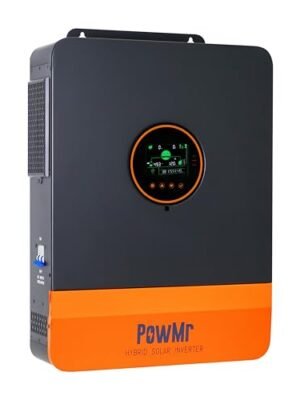
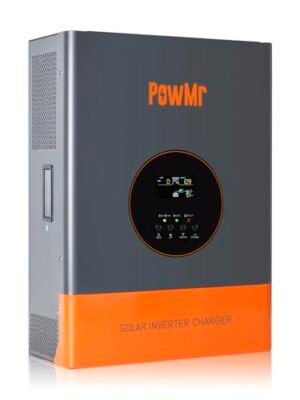
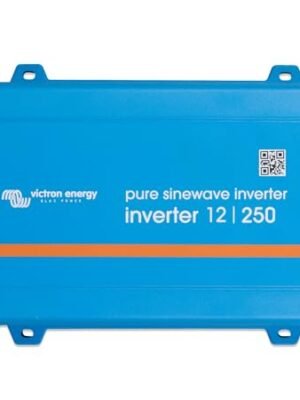
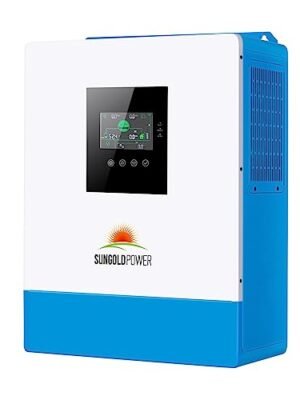
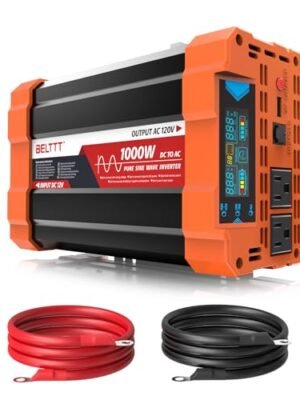
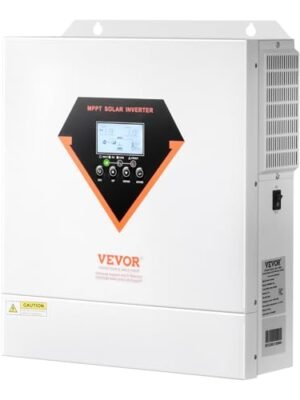
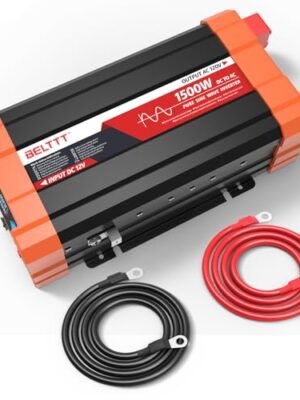
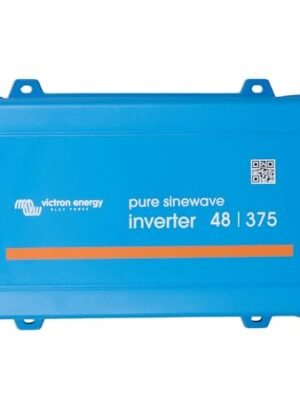
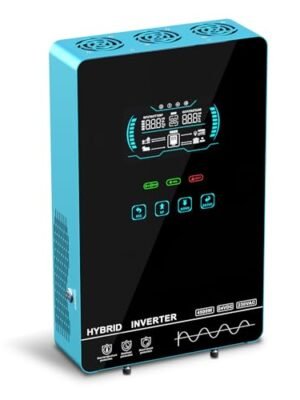
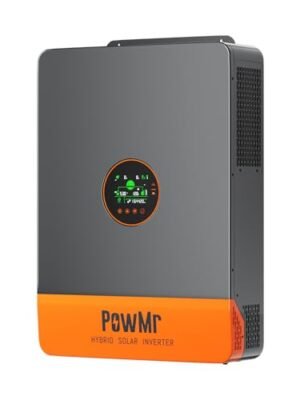
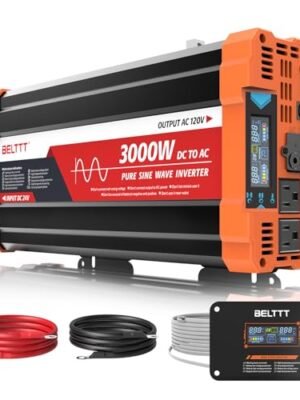
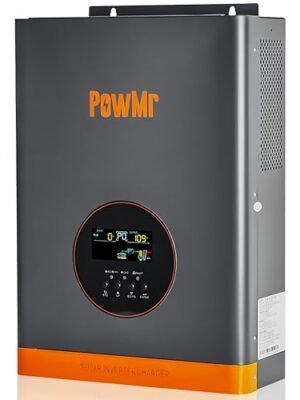
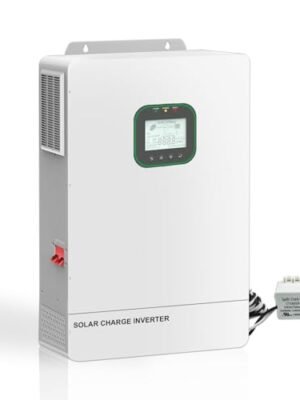
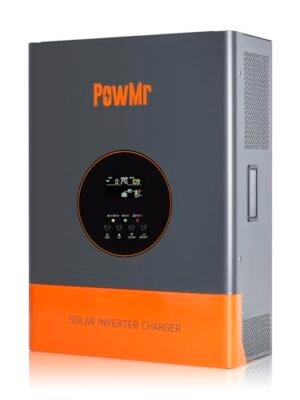
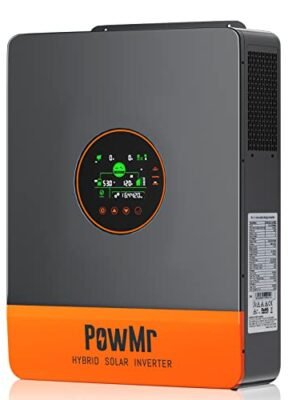
![PowMr 5000W Hybrid Solar Inverter 48V DC to 110V/120VAC, 5200W Split Phase Inverter with 100A MPPT Controller, Max. PV Input 6KW 500VDC, For 48V Lead Acid, Li, Batteryless Run [Up to 6 Units Parallel]](https://invertergeek.com/wp-content/uploads/2026/04/powmr5000whybridsolarinverter48vdcto110v120vac5200wsplitphase-300x400.jpg)
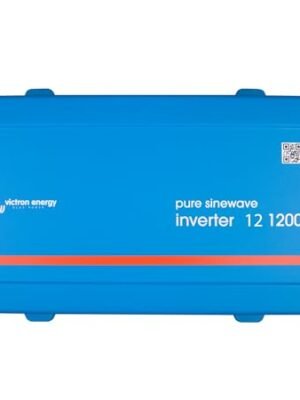
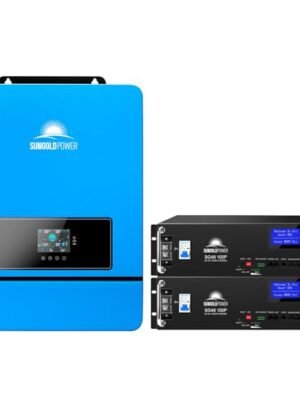
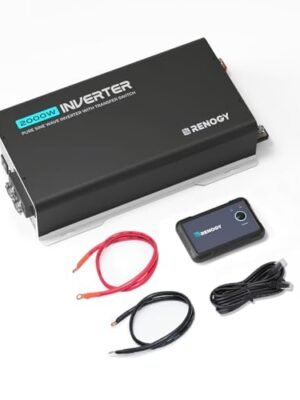
Every inverter on this page is scored on the same 10 categories and the same 1-10 scale, so a Victron and a POWLAND can be compared directly rather than on marketing copy. The scores reward the things that fail in the field: heat, surge handling, transfer speed, battery communication, and build life. Raw wattage is not one of them.
Each review lists the DC input voltage, continuous wattage, and surge headroom up front because those three numbers rule out most of the catalogue before you even get to features. If you are not sure what size you need, start with the inverter sizing calculator, then come back and filter by wattage or brand.
Editorial independence: Inverter Geek is not affiliated with any inverter manufacturer, and no brand pays for placement or scores. We may earn a commission if you buy through links on this page.
Each inverter is rated on a scale of 1 to 10 across key performance and reliability categories that reflect real-world use. These include solar voltage handling, heat management, surge power, transfer speed, installation, repairability, battery compatibility, noise, efficiency, and expected lifespan.
Our testing focuses on how the inverter performs under demanding conditions rather than relying only on manufacturer specifications. We evaluate factors such as thermal performance, startup power for heavy appliances, battery communication, indoor noise levels, and long-term durability.
The overall Expert Score is calculated by averaging all verified category scores. If a specification cannot be confirmed, that category is excluded from the calculation rather than estimated, ensuring that every rating is based only on verified data.
How to Choose the Right Inverter
Selecting the right inverter becomes much easier if you follow these five steps.
Calculate Your Power Requirements
Add together your continuous running loads, then include the largest startup surge. For example, a well pump that briefly draws 4,500W has a much greater impact on inverter sizing than a microwave that runs continuously at 1,200W.
Choose the Correct Battery Voltage
Use the battery voltage guide below to match your inverter size. This single decision immediately eliminates many unsuitable models.
Matching Battery Voltage to Inverter Size
Your battery voltage determines how large an inverter you can run efficiently. Higher voltage systems require less DC to produce the same AC power, reducing cable size, fuse ratings, heat, and voltage drop. This makes larger systems safer, more efficient, and less expensive to install.
| Battery Voltage | Recommended Inverter Size | Approx. DC Current at Full Load* | Typical Cable (Short Run) | Best For |
|---|---|---|---|---|
| 12V | Up to 2,000W | 185A @ 2,000W | 2/0 AWG | Cars, vans, trucks, small RVs, weekend camping |
| 24V | 1,500W to 3,000W | 139A @ 3,000W | 1/0 AWG | Large RVs, boats, cabins, and small off-grid systems |
| 48V | 3,000W to 12,000W+ | 139A @ 6,000W | 1/0 AWG | Whole home backup, off-grid homes, split-phase 120V/240V systems |
When Should You Upgrade Battery Voltage?
The right battery voltage depends largely on the size of the inverter you plan to run. For systems up to about 2,000 watts, a 12V battery bank is usually sufficient and remains the most practical option for vehicles, small RVs, and portable power systems.
Once your continuous power needs exceed 2,000 watts, a 24V battery bank is the better choice. Doubling the battery voltage roughly halves the DC, allowing you to use smaller cables and lower-rated fuses, improving overall system efficiency and reducing installation costs.
If your inverter is rated above 3,000 watts, or you need to power 120V/240V split-phase loads such as well pumps, electric dryers, central air conditioners, or an entire home backup system, a 48V battery bank is strongly recommended. Higher-voltage systems are more efficient, easier to install, and better suited for continuous high-power operation.
For example, running a 4,000W inverter from a 12V battery bank requires nearly 370 amps of DC. At that level, the cost of oversized cables, heavy-duty fuses, busbars, and connectors can quickly exceed the savings of choosing a lower-voltage system, making 48V the smarter long-term investment.
Determine Whether You Need 240V
If you plan to power appliances such as well pumps, electric dryers, or central HVAC equipment, you’ll need a split-phase 120V/240V inverter, which almost always means choosing a 48V battery system.
Decide Between Hybrid or Inverter Only
If you already own a solar charge controller, a standalone inverter is typically less expensive and easier to replace. For new solar installations, an all-in-one hybrid inverter reduces wiring complexity and saves installation space, although it creates a single point of failure.
Compare the Details That Matter
Finally, compare transfer time, battery communication protocols (CAN or RS485), cooling performance, efficiency, warranty, and repairability. These are the differences that rarely stand out on spec sheets but have the biggest impact on long-term ownership.
Browse Inverters by Application
Inverter Application Guide
Portable and 12V Inverters
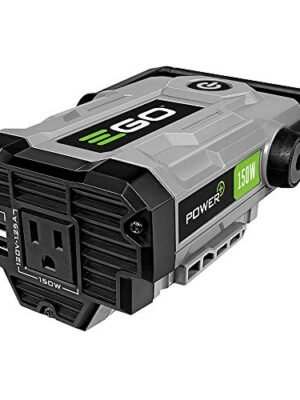
Portable inverters ranging from 150W to 2,000W are ideal for vehicles, job sites, emergency backup, and weekend camping. Because these systems typically rely on small batteries, low standby power consumption is often more important than maximum output.
RV, Van, and Marine Inverters
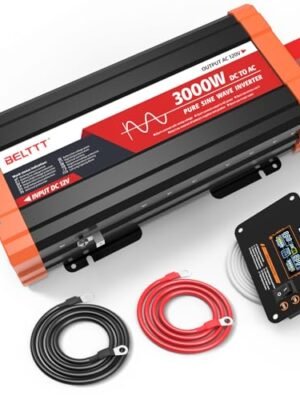
These systems commonly range from 1,000W to 3,000W on 12V or 24V battery banks. Look for high surge capacity to start rooftop air conditioners, refrigerators, and compressors, as well as vibration-resistant construction for mobile installations.
Hybrid and Off-Grid Solar Inverters
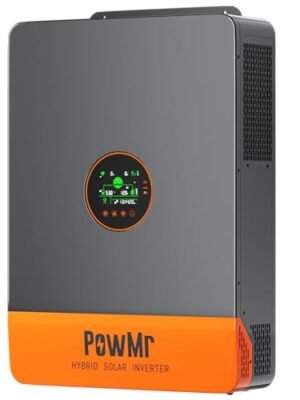
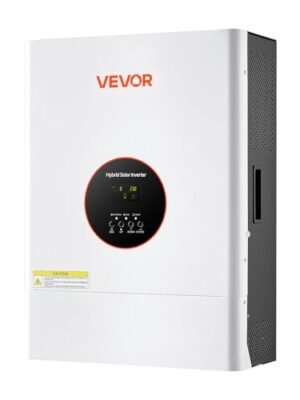
Hybrid inverters combine an inverter, battery charger, and MPPT solar charge controller into a single unit. Before purchasing, verify that your solar array’s maximum open-circuit voltage (Voc) remains below the inverter’s PV input limit, even in cold weather.
Split Phase and Whole Home Inverters
These 48V systems provide both 120V and 240V output for well pumps, dryers, HVAC systems, and complete home backup. Most models support parallel operation, allowing you to increase capacity later without replacing the entire system.
Choose Category
12V Inverter Reviews
24V Inverter Reviews
48V Inverter Reviews
Home Inverter Reviews
Inverter Kits Reviews
Off-Grid Inverter Reviews
Outdoor Inverter Reviews
Pure Sine Wave Inverters Reviews
RV Inverter Reviews
BELTTT

EGO POWER+

POWLAND

PowMr

Renogy

SunGoldPower

VEVOR
Victron Energy

Frequently Asked Questions
General inverter questions on sizing, safety, maintenance, and storage are answered on our Inverter FAQ Page. The questions below are specific to this page.
What does the expert score next to each inverter mean?
It is the average of ten category scores, each rated from 1 to 10, covering solar voltage handling, heat and cooling, surge power, transfer speed, installation complexity, repairability, battery compatibility, noise, efficiency, and lifespan. A score of 7 means the unit is solid across most categories with a weakness or two; anything below 5 has a problem serious enough to affect daily use.
Why do some high-wattage inverters score lower than smaller ones?
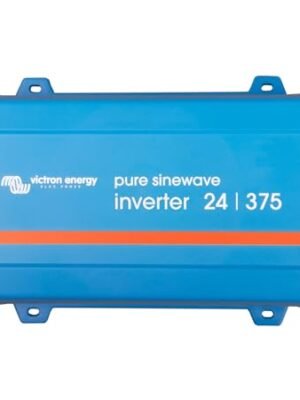
Because wattage is not a scored category, a 10,000W unit with poor thermal design, a 50-millisecond transfer time, and no closed-loop battery communication will score below a 375VA unit that does everything it claims to do reliably. The score answers "is this well built for what it is," not "is this powerful."
How is the overall score calculated when a spec is unavailable?
We skip that category and divide by the number of categories actually scored. We do not estimate or infer a value, because a guessed number carries the same weight as a verified one in the average and quietly distorts the result.
Should I just buy the highest-scoring inverter on the page?
No. The score tells you how well a unit is engineered, not whether it fits your system. An inverter that scores 7.7 is useless to you if it is a 48V unit and you have a 12V bank, or a 375VA unit and you need to run a microwave. Filter by voltage and wattage first, then use the scores to choose between the units that actually qualify.
Do I need a split-phase inverter, or will a standard one do?
You need a split-phase only if you have 240V loads, such as a well pump, an electric dryer, a range, or some workshop tools, or if you are backing up a complete household panel. Split-phase units output 120V and 240V simultaneously and are almost always 48V. For a van, an RV, or a few circuits in a house, a standard 120V inverter is simpler and cheaper.
Should I buy an all-in-one hybrid or a standalone inverter?
If you are building a solar system from scratch, an all-in-one saves wiring, wall space, and the cost of a separate charge controller. If you already own a charge controller or want to replace a failed component without taking the whole system offline, a standalone architecture is safer. An all-in-one is a single point of failure by design.
Are the inverter kits a better value than buying the parts separately?
Kits pair an inverter with batteries that are already certified to work together, which removes the compatibility risk and usually the closed-loop communication risk as well. They are rarely the cheapest route per kilowatt-hour. Buy a kit if you want a system that works out of the box; buy separately if you want to choose your own battery chemistry or expand in stages.
What is a batteryless or grid-tied inverter, and can I use one for backup?
A batteryless unit runs loads directly from solar and grid without a battery bank, eliminating the system's highest cost. It cannot provide backup power during an outage because there is nothing stored to draw from. If outage protection is the reason you are buying, you need a battery bank regardless of what the listing implies.
Why do some listings on this page not show a score yet?
Those reviews are still in progress. A unit receives a published score only after we have verified enough of the 10 categories for the average to be meaningful. We would rather show no number than one based on a spec sheet we could not corroborate.